The present scene for the fatty acid pricing and trade trends reveals a challenging interplay of elements. Worldwide, costs have been witnessing fluctuations due to shifting distribution networks and rising raw material charges. Notably, plant oil and fatty tissues, key materials in the fatty acid manufacture, have seen substantial price hikes. As a result, suppliers are facing pressure to preserve attractive costs while controlling growing output prices. Prospectively, market predictions indicates that balance in this compound pricing remains doubtful, contingent on geopolitical events, agricultural yields, and overall economic conditions.
Leading Fatty Acid Suppliers Influencing the International Market
Several major firms are driving the worldwide stearic fatty acid industry . Including these, giants like KLK Oryza Oil hold considerable portions of the manufacturing . Important producers consist of Emery , each contributing to the dynamic evolution of fatty acids purposes. Furthermore , the growing demand from various sectors , including beauty, food products , and greases , is also fueling innovation and funding within this vital area of the oleochemical industry .
- IOI Oleo - Focusing on eco-friendly practices .
- Associated - Expanding capacity to meet requirements.
Key Stearic Acid Manufacturers: Profiles and Production Capacities
Several major producers currently control the international stearic acid industry . Among these, Oleon NV possesses a significant production volume, estimated at approximately 100,000 tons per annum . Similarly, Kao Corporation showcases a large production range, suggested to be close to 80,000 metric tons annually. Wilmar International runs with a notable capacity, thought to be in the area of 70,000 tonnes . Lastly, Emery Oleochemicals demonstrates a powerful production standard, with a amount around 60,000 tonnes each year. These listed manufacturers represent a substantial portion of the complete stearic acid supply landscape.
Finding Reliable Stearic Acid Distributors: A Comprehensive Guide
Securing a consistent supply of stearic substance requires thorough research when selecting potential distributors. Begin by reviewing online listings specializing in raw materials; these can frequently reveal a wide range of providers. Furthermore , verifying their certifications , including ISO regulations, is critically important . Avoid neglecting to ask for test batches and evaluate costs from several sources before finalizing a agreement . Ultimately, reviewing client reviews and contacting existing buyers can offer insightful understanding regarding the distributor's reliability .
Understanding Stearic Acid Cost Drivers: Factors Affecting Price
The cost of this fatty acid is driven by a range of significant factors . Raw material costs , particularly palm oil and stearic acid producers animal fat , represent a major factor , with fluctuations in international oil prices directly impacting the overall substance cost . Processing methods also play a contribution, as efficiencies in production can decrease expenses . Shipping fees, including freight and storage , add to the final expense . Finally, the marketplace – affected by temporal changes and international circumstances – significantly impact the market value of stearin .
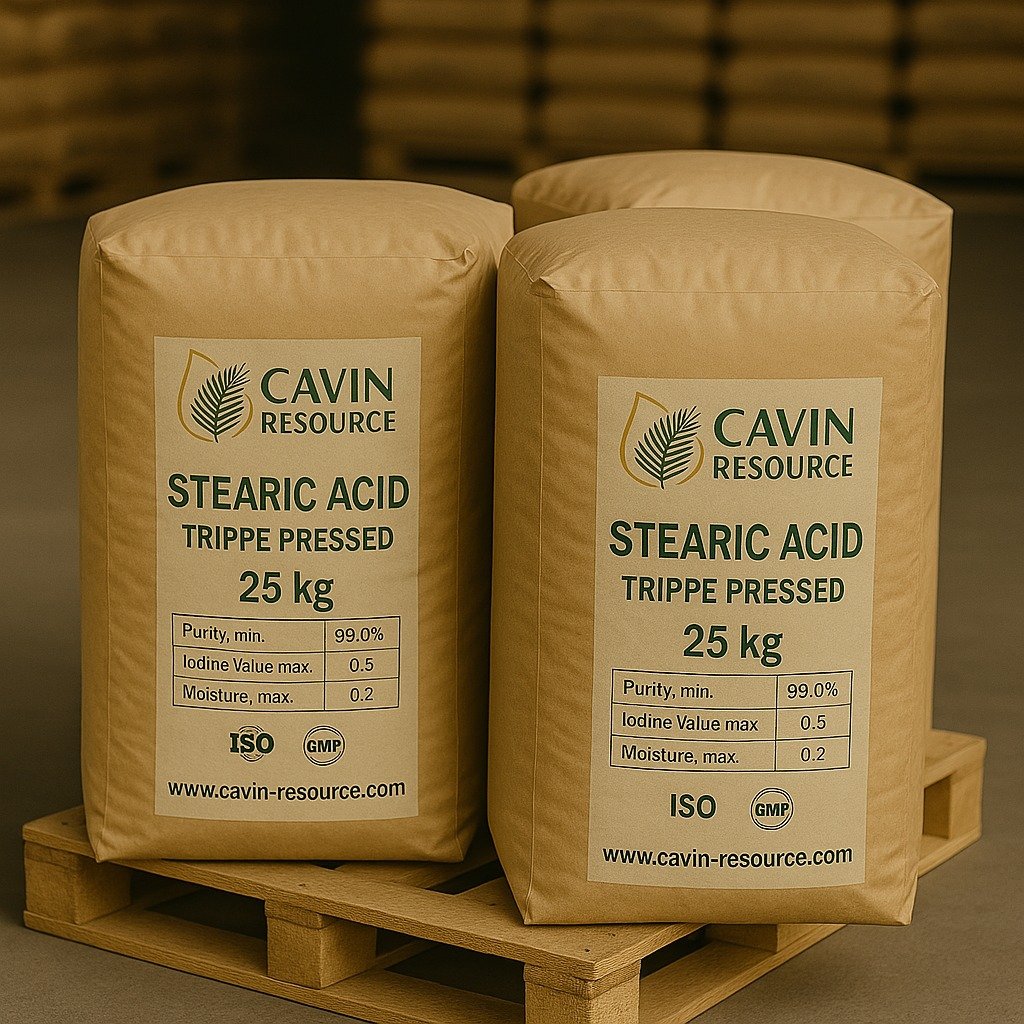
Stearic Acid Supply Chain: Producers, Distributors, and Market Dynamics
The global stearic acid supply system involves a complex interplay of suppliers, distributors, and fluctuating market forces. Major sourcing regions include Asia, Europe, and the continent, with key firms often integrating production with downstream sectors like lubricants. Distribution typically happens through a tiered system, comprising major international distribution companies and regional private businesses. Market prices are impacted by factors such as animal oil supply, worldwide economic climate, and changes in buyer needs.